

You will know if you are a follower or our prose and social media that we refer to most of our waders as overseas visitors; the majority having bred in the Arctic regions of the globe.
That said, quite a few of these birds have smaller breeding populations here in the UK – and as lockdown eases and more people are able to get out and about, we want to spare a thought for these vulnerable ground-nesting residents as they begin to partner-up to breed.
Their nests are obviously more susceptible to accidental human disturbance such as trampling by walkers and dogs and this is something we all need to be aware of. But additionally, once the adult bird has been scared off the nest, eggs or chicks then become extremely vulnerable to predators such as black-backed or Mediterranean gulls, foxes, weasels and even hedgehogs. There will always be something waiting and watching nearby to grab an easy meal.
Let’s look at a few of these birds and see what we can do to help as they hurtle towards their breeding season amidst unpredictable weather and an easing of lockdown restrictions which will inevitably see more people and their canine companions wandering into their breeding territories.
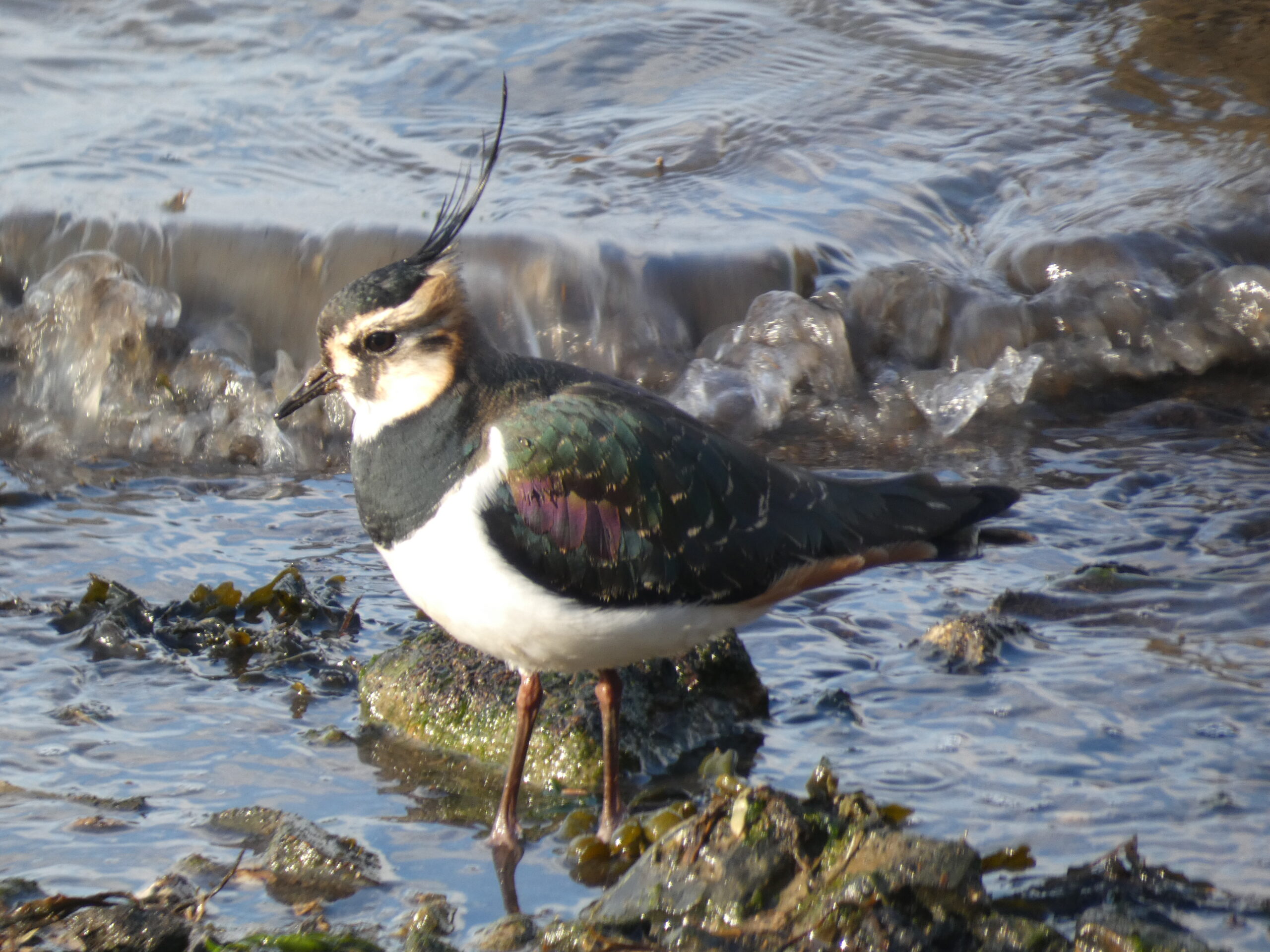 Lapwings, for example, once a common sight in all villages, are now the fastest declining bird in Europe due to habitat loss and chick mortality. Numbers dropped nationally by 54% between 1967 and 2017 according to Bird Trends 2019, published by the BTO and JNCC – and by 47% in southeast England.
From about the end of February onwards, you will see Lapwings beginning to pair up, performing their spectacular aerial tumbling displays. Like most birds, they are quite particular about their breeding environment and prefer relatively barren sites, newly ploughed fields or grass of between 8 and 10cm high into which they will scratch out a small hole and lay their 4, perfectly camouflaged, eggs. They like to lay in a large, clear area where they will get an early view of predators. The chicks, by the way, emerge from the egg, about 27 days later, as little fluff-balls and can fend for themselves pretty much as soon as they hatch.
The adults have a couple of behaviours should they get attacked or disturbed. They might fly away from the nest and attack the predator by dive-bombing or they sometimes perform the ‘broken-wing-routine’ (much like the Ringed plover) – pretending to be injured to draw the attacker away from their nest and eggs. If they are disturbed by dogs or walkers they are likely to just get out of the way fast and hope a that a pair of size 9’s doesn’t ruin their hard work in the nest and egg department.
The habitat loss they have experienced is mainly due to changing farming methods. Historically, vast swathes of farmland were left over winter and seed-planted in the spring. Nowadays this type of land is drained to make it more arable and generally planted with winter crops, so there is little time now in the growing calendar for their preferred stubbly fields. With their first-choice farmland diminishing, Lapwings have become successful breeders on traditional, well managed grazing marsh and this is where we most often see them along the Kent coastline.
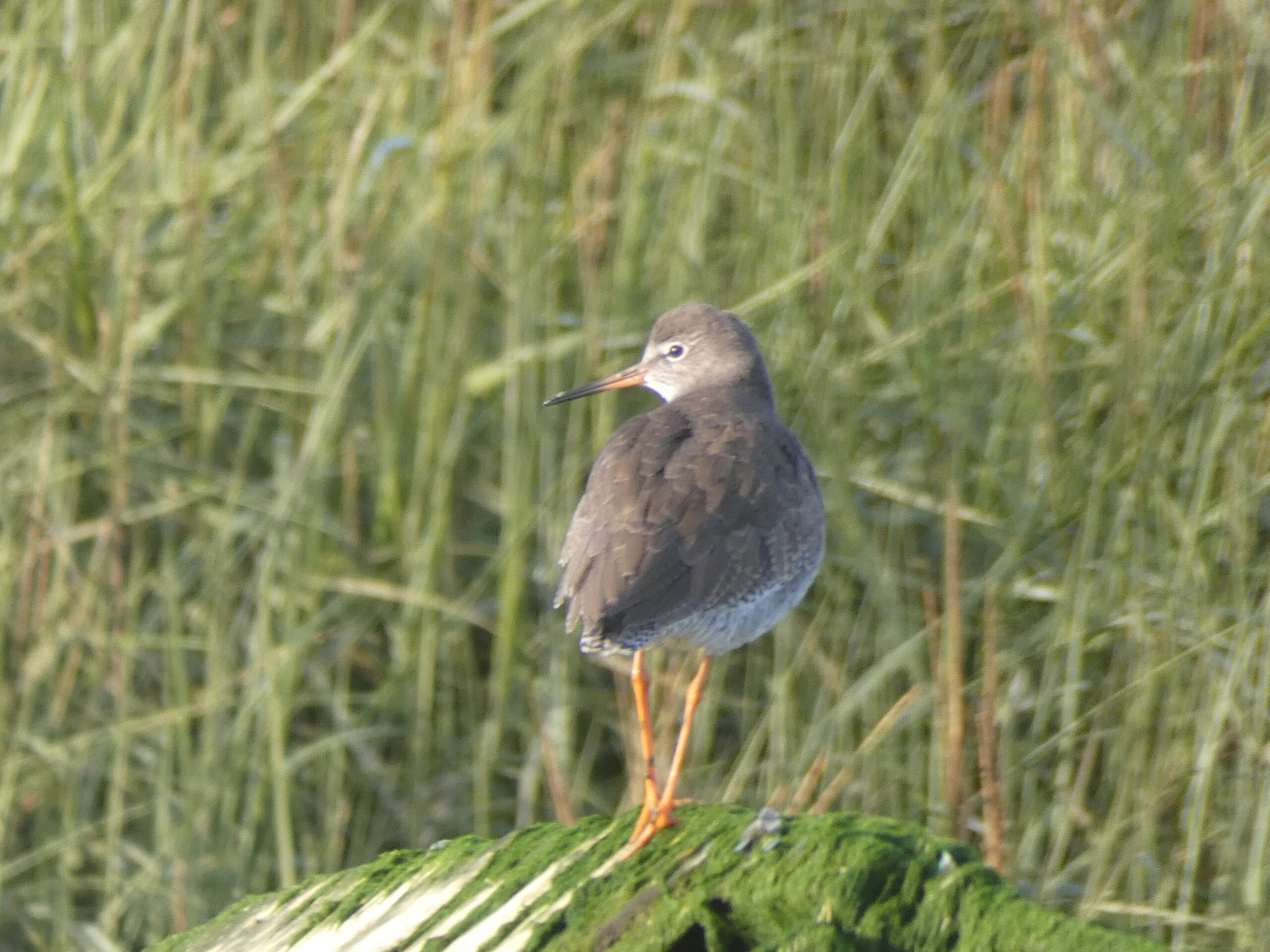 Redshanks are another medium-sized wader you might see feeding in the rills of estuaries and in coastal fields at high tide. Many will have bred in Iceland/Faroes and some here in the UK and mainland Europe. Such is this breeding separation they are actually two distinct species. Their preferred habitat is short damp grassland for feeding and grass or rush tussocks in which to nest which can be artificially created by the light grazing of cattle. Kent Wildlife Trust have invested heavily in this type of habitat management and seeing their herds of enormous, shaggy longhorn Highland cattle and graceful Konik ponies, grazing at close quarters, is a sight to behold.
The most recent stats show that 2020 was a poor breeding season for some of our ground-nesters, likely due to an extremely wet start to the year followed by a drought. However, unpredictable weather aside, some coastal landowners have carried out extensive land management planning to encourage ground nesting birds. This type of habitat creation consists of controlled livestock grazing, control of water levels with sluice gates, the digging out of scrapes to create water collecting undulations and grass height and predator management. In 2019, one-such managed coastal area on Sheppey supported 336 pairs of Lapwing which fledged 429 chicks and also 500 adult Redshanks – producing fields awash with Redshank chicks.
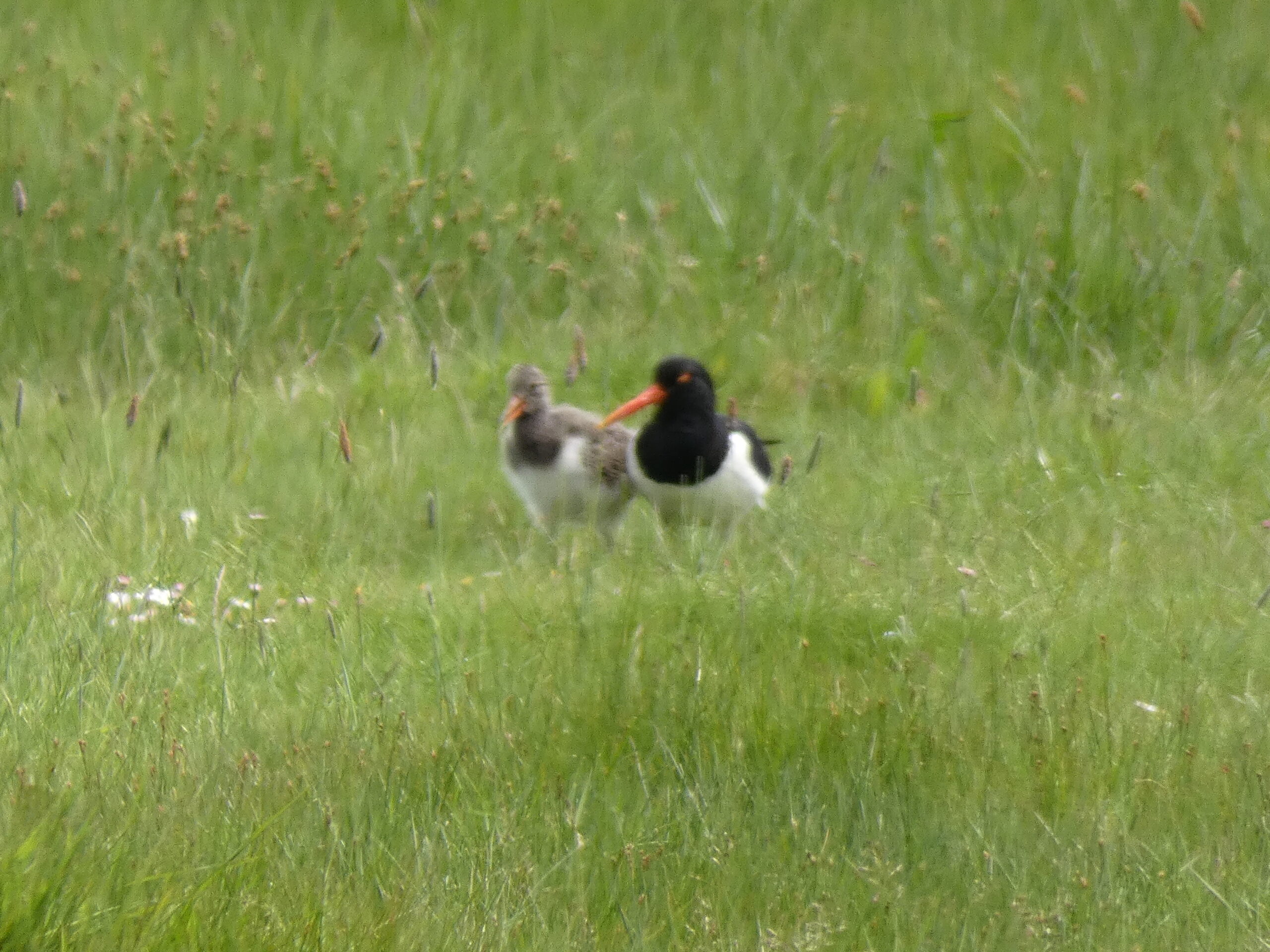 If you are worried about accidently disturbing Lapwings and Redshank then you may want to also look out for the distinctive Oystercatcher. You will know this bird when you see it by its year-round monochrome plumage and a long, thick carrot-like bill. You may hear it before you see it as it’s known for its argumentative nature when feeding in a flock. The British Trust for Ornithology estimates that in the UK there were around 96,000 breeding pairs back in 2016 – with another 100,000 plus arriving from the Arctic in winter. With a recent breeding population decline, this species is on the UK Amber list. Local bird counts going back to 2019 show this bird to be in significant numbers (over 3,000) in the Swale estuary alone.
As far as nesting is concerned, they are incredibly vulnerable to disturbance because, these days, they can pitch up to nest just about anywhere along the coast: in dog-walking field, in a rotten telegraph pole, even on a coil of rope on a barge deck….But this ‘adaptability’ and their move inland has come about because so much of their preferred shingle foreshore has little breeding-value to them now due to repeated human disturbance. It seems that in their attempt to get away from us from the seaward side – they encounter us on the landward side.
The bottom line is that we are very likely to disturb ground-nesting birds during the breeding season as we go about our coastal recreation, especially in light of lockdown restrictions easing. Consider this – the birds will have tried to nest with a degree of cover from their predators and so nests and eggs will not be easy to spot. We advise that people play it safe and assume that they are there, even if they are hidden. Listen out for their alarm calls and please keep yourselves and your dogs to the footpath. Let’s give these vulnerable birds a fighting chance to raise their young in peace and safety.